Plenty of people fall for hockey as adults. They start going to Oilers games, watch the playoffs on TV, take their kids to skating lessons — and then realize they want to play themselves. The good news: it is never too late. Adult hockey has a large, welcoming community of beginners and returning players, and Tulsa now has the ice and programs to support them. Here is how to start.
Be honest about your skating
Hockey is a skating sport first. If you can already skate comfortably forward, turn and stop, you can move fairly quickly into a learn-to-play program. If you are starting from zero, begin with adult Learn to Skate classes — the WeStreet Ice Center offers them for adults as well as kids. Add public skating sessions on your own time, and you will improve faster than you expect.
Signs you are ready for hockey:
- You can skate forward and backward without holding the wall.
- You can stop on both sides.
- You can fall and get up without help.
Find a learn-to-play program
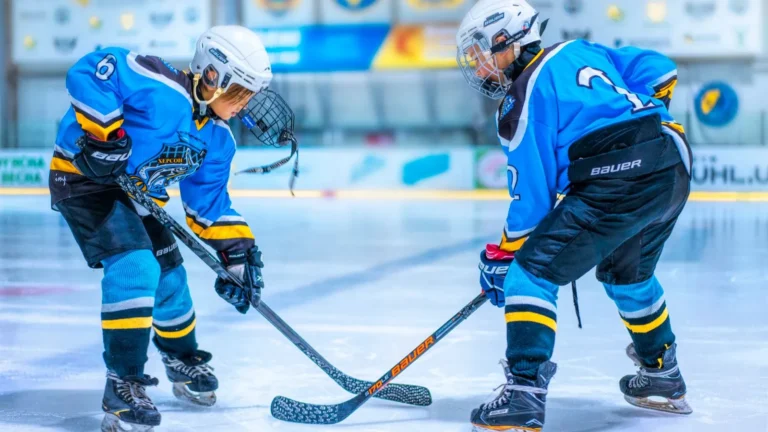
Adult learn-to-play programs teach the basics — stickhandling, passing, shooting and positioning — in a low-pressure group setting. Everyone in the class is new, which takes away the fear of slowing down a “real” game. The Oilers’ rink programs have included adult offerings alongside youth classes; ask about current sessions and whether rental equipment is available.
Join a league
After a learn-to-play program, the next step is an adult recreational league. Adult leagues — often called “beer leagues” — are usually divided by skill level, so a true beginner is not thrown into games with former college players. Many leagues accept individual sign-ups and place you on a team, which is ideal if you do not know anyone who plays.
Most adult leagues are non-checking, meaning body checks are not allowed. Games tend to be fun, social and surprisingly competitive.
Gear for adults
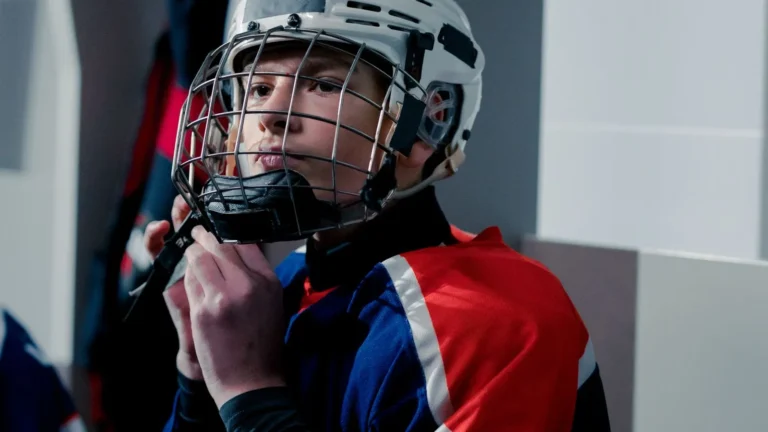
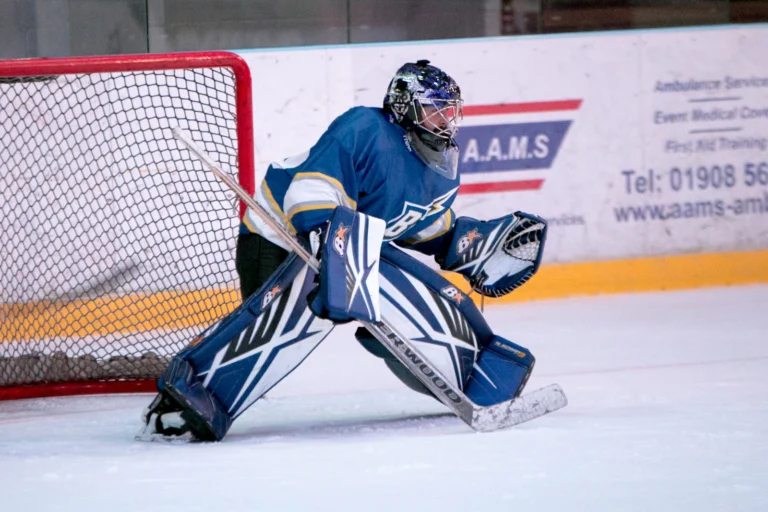
Adults need the same protective equipment as kids (our guide to hockey equipment for beginners covers each piece and how it should fit): a certified helmet with a cage or visor, gloves, shoulder pads, elbow pads, shin guards, hockey pants, a cup or jill, skates and a stick. A few tips:
- Spend on skates and helmet; save on everything else. Well-fitted skates make learning far easier.
- Buy used for pads and pants if you are not sure you will stick with it.
- Get skates sharpened regularly. Dull blades make stopping hard and frustrating.
- Use a hockey bag and air your gear out after every skate — your car and family will thank you.
What it feels like
The first few months are humbling. You will fall, miss passes and get winded faster than you thought possible. Then, one day, you make a clean pass to a teammate in stride or score your first goal, and you understand why so many adults keep playing well into their 50s and 60s. Hockey is also a great workout: short, intense shifts build fitness without feeling like a gym session.
Tips for your first season
- Skate as often as you can between games, even just public sessions; our guide to ice skating in Tulsa lists the options.
- Arrive early so you are not rushing to put on unfamiliar gear.
- Keep your shifts short — around 45 seconds to a minute is plenty.
- Ask teammates for feedback; most experienced adult players love helping beginners.
- Watch the Oilers with new eyes. Notice where defensemen stand and how forwards support the puck. You will learn more at the BOK Center than you think.
Start this season
With two sheets of ice at WeStreet and a growing hockey community, Tulsa adults have more opportunities to play than ever. Sign up for a class, borrow some gear and get on the ice. Your future teammates are waiting.
Program availability, schedules and prices change regularly. Contact the WeStreet Ice Center directly for current adult classes and leagues. For national resources on adult play, including rules and insurance for registered players, visit USA Hockey. If you want to brush up on terminology first, start with our hockey terms glossary.